

Getting Your Car Ready to Sell and Buying Tips
Getting Your Car Ready to Sell and Buying 12 Tips!
Selling or buying a car is an exciting yet complex process. Whether you’re looking to sell your vehicle or find the perfect one to buy, preparation and research are essential. Platforms like classified advertising websites offer a convenient way to connect sellers with buyers, simplifying the process for everyone by allowing listings with photos, detailed descriptions, and direct communication. In this guide, we’ll walk you through everything you need to know to successfully sell your car and offer essential tips for buyers as well. With the UK used car market showing resilience in late 2025—recording gradual growth with strong demand for used EVs and hybrids amid stable prices—timing and presentation can make all the difference in achieving a quick, profitable transaction.
Getting Your Car Ready to Sell
Preparing your car for sale is a critical step in making sure you get the best price possible and attract serious buyers. A well-presented vehicle not only sells faster but can command hundreds or even thousands more, as buyers perceive it as better maintained. According to industry data, cars with full service history and low mileage retain value better, especially in a market where electrified vehicles (hybrids and EVs) are increasingly popular due to lower running costs and government incentives.
Here’s a step-by-step guide to ensure your car is in top shape before listing it:
-
Gather Important Documents:
-
Before listing your car, make sure you have all the necessary paperwork in order. Potential buyers will want to see a complete history of the vehicle, including:
- V5C Logbook (Vehicle Registration Certificate): This proves your ownership of the vehicle. Without it, the sale can’t proceed legally—always keep the original and provide the buyer with the relevant section for DVLA transfer.
- MOT Certificate: Ensure the MOT is up to date (at least six months remaining is ideal). Buyers want reassurance that the car has been deemed roadworthy, and a long MOT can add significant value.
- Service History: A full or partial service history increases buyer confidence. Stamped books from main dealers are gold—cars with complete records often sell for 10-20% more than those with gaps.
- Owner’s Manual and Spare Keys: These might seem like small details, but they add value and convenience for the buyer. Having both keys can boost the price by £100-£300.
- Receipts for Repairs/Parts: If you’ve invested in new parts or repairs (like timing belts, clutches, or tyres), keep the receipts to show the car has been well-maintained. Highlight recent big-ticket items, as they reassure buyers about upcoming costs.
Missing documents can deter buyers or lower offers, so organise everything early.
-
1. Clean Your Car Inside and Out:
-
A clean car attracts more attention and leaves a positive impression—studies show professionally detailed cars sell faster and for higher prices. Here’s how to get your car looking its best:

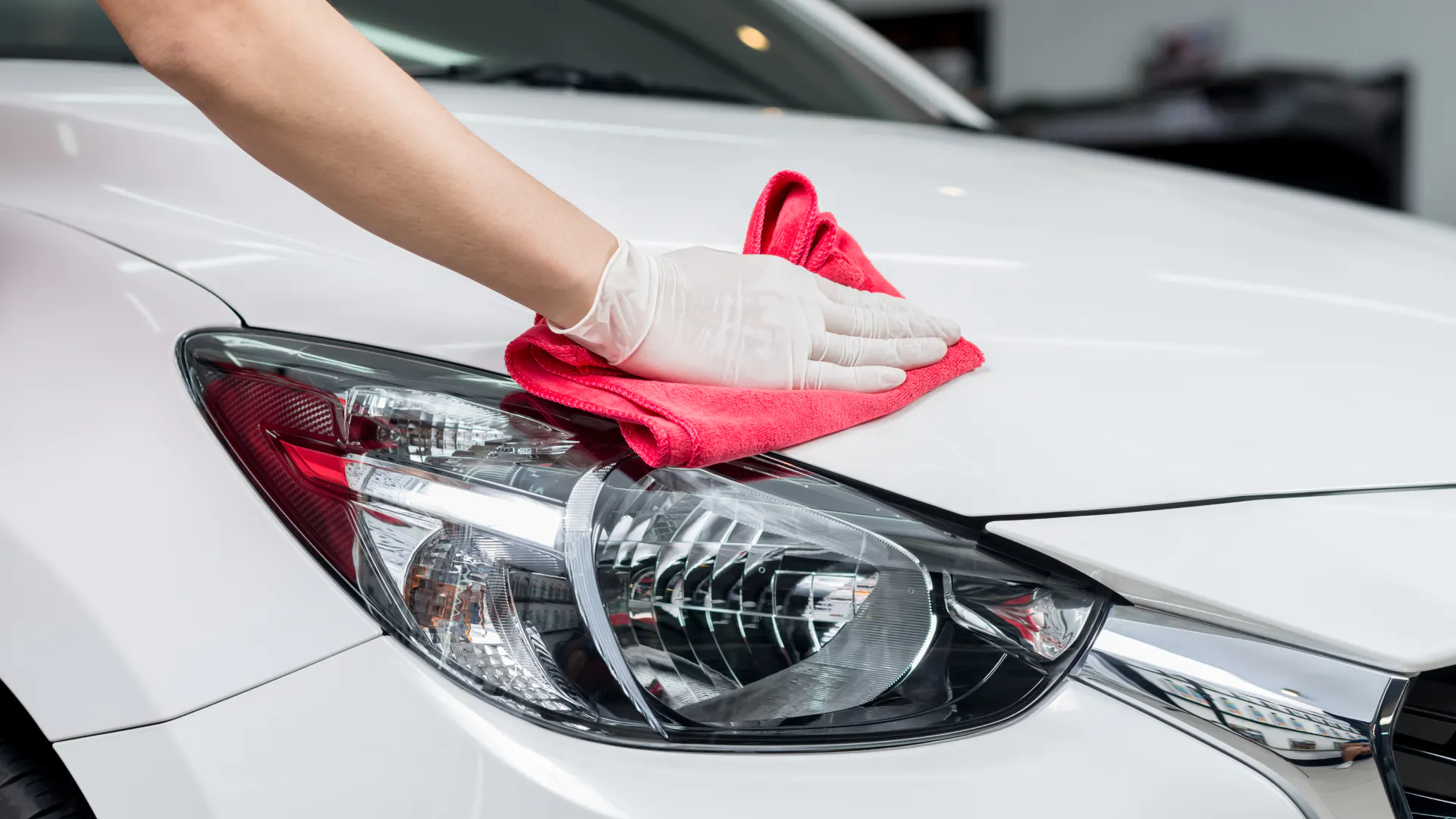
- Exterior: Wash the car thoroughly, including the wheels. Consider waxing or polishing for an extra shine. If there are minor scratches or chips, touch them up with a matching paint pen—small efforts like this can prevent haggling over “imperfections.”
- Interior: Vacuum the seats, mats, and carpets. Clean the dashboard, doors, and center console. If there are any stains on the upholstery, try to remove them or use seat covers to improve the look. Don’t forget the boot and glovebox—buyers check everywhere.
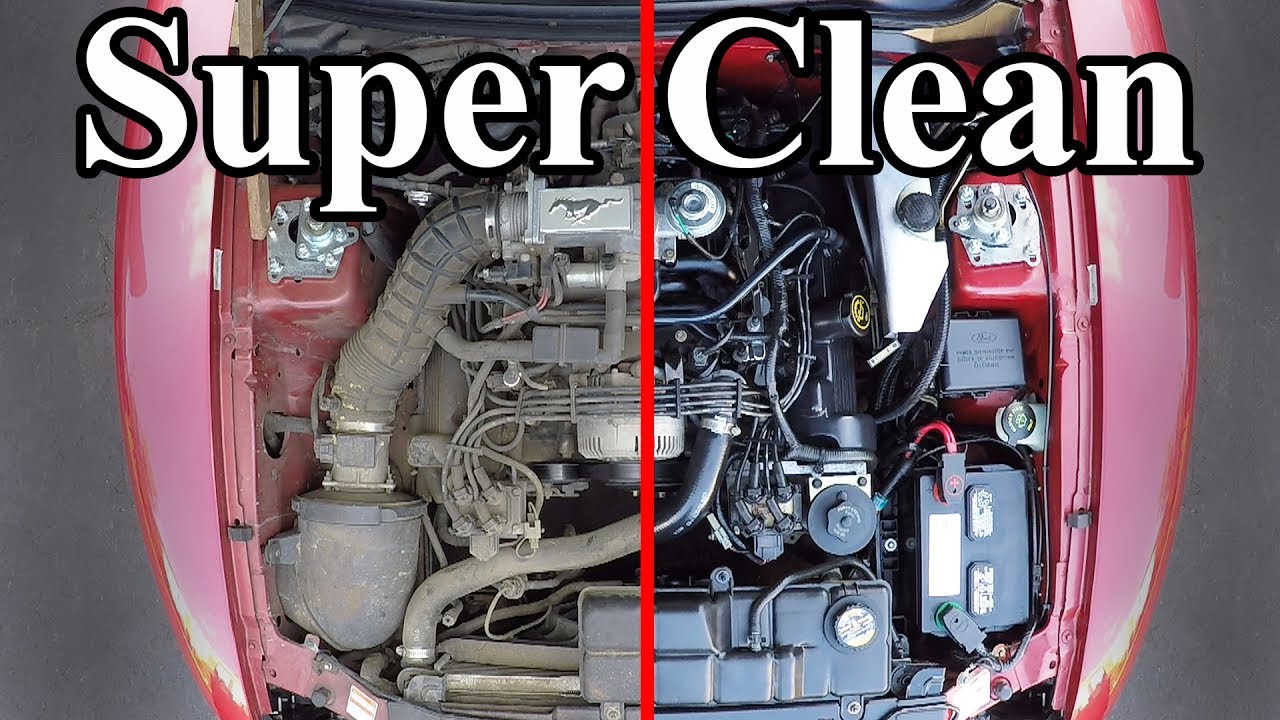
- Engine Bay: Clean the engine bay as well. A tidy engine compartment signals to buyers that the car has been well-maintained, even if you’re not a mechanic.
- Odour Removal: Use air fresheners or odor eliminators to neutralize any lingering smells, especially if you’ve had pets or smoked in the car. Lingering odours are a top turn-off and can slash hundreds off your asking price.
For the best results, consider a professional valet—it’s often worth the £50-£150 investment for the wow factor.
-
2. Make Necessary Repairs:
-
Fixing small issues can boost your car’s value and make it more attractive to potential buyers. Some quick fixes include:
- Replace burnt-out bulbs, wipers, or other small components—these are cheap but signal neglect if left unfixed.
- Check the tyres for wear and ensure they are inflated properly. Matching premium tyres can add value, especially if they’re recent.
- Fix any minor issues like loose trim, broken knobs, or worn-out floor mats.
You don’t necessarily have to repair major problems, but be upfront with buyers if any serious mechanical issues exist—disclosure builds trust and avoids legal issues later. In late 2025, with rising repair costs, buyers are particularly wary of hidden faults, so a pre-sale inspection from a trusted garage can provide a report to share, justifying your price.
-
3. Take Quality Photos:
-
High-quality images can make or break your listing—listings with 20+ clear photos get far more views and inquiries. Aim to capture clear, well-lit shots that showcase all angles of the vehicle. Best practices include shooting during the “golden hour” (early morning or late afternoon) for soft, flattering light, avoiding harsh midday sun or night flashes.
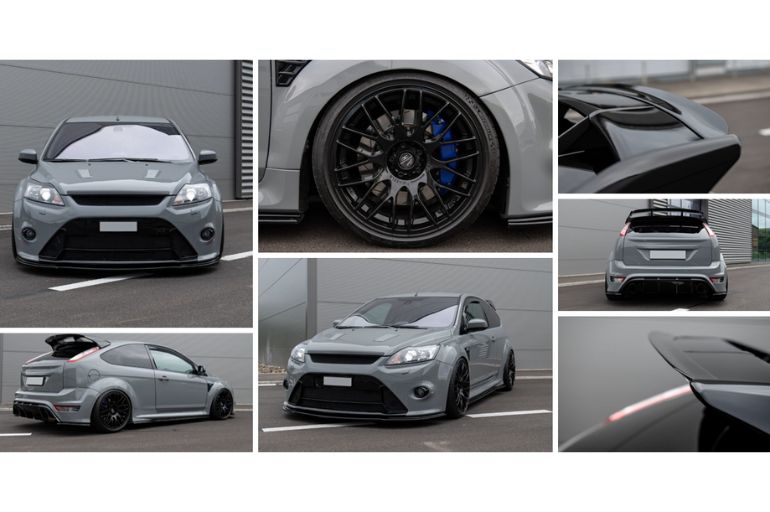
- The front, rear, and both sides (three-quarter angles are most dynamic—turn the wheels slightly for a sportier look).
- Interior shots (seats, dashboard, boot)—open doors for better views, and dim screens to avoid glare.
- Close-ups of the wheels and tyres (show tread depth with a coin for scale).
- Under the bonnet (engine bay)—clean it first!
- Any imperfections (scratches, dents, etc.)—honesty here prevents wasted viewings.
Make sure your car is photographed in a clean, clutter-free environment (like a park or quiet road) to highlight its best features. Avoid busy streets or driveways with distractions. Use a smartphone on a tripod for steady shots, and take multiples to choose the best.
-
4. Write an Honest and Detailed Listing
-
An accurate and honest description builds trust with potential buyers. Include:
- Make, model, year, and mileage—be precise, as low-mileage cars (under 10,000 miles/year average) hold value better.
- Condition of the car: Highlight any recent repairs or upgrades (new tyres, brakes, etc.). Mention fuel efficiency, especially for hybrids/EVs in demand.
- MOT status and service history—full history is a major selling point.
- Reason for selling: Buyers appreciate transparency, so let them know why you’re parting with the car (e.g., upgrading to family-sized).
- Price: Set a realistic asking price based on the car’s condition and current market value. Use free tools like Parkers, Auto Trader, or CAP HPI for valuations—factor in seasonal trends, like higher demand for 4x4s and SUVs in winter or convertibles in summer. In late 2025, popular models like the Ford Puma and Nissan Qashqai often fetch strong prices due to high demand.
Add extras like “one owner” or “non-smoker” to stand out.
-
5. Be Ready to Negotiate
-
Buyers will likely want to negotiate, so it’s important to know your lowest acceptable price in advance. Set your asking price slightly higher than what you’re willing to accept, allowing room for negotiation—10-15% wiggle room is common. Research comparable sales to back up your price confidently.
-
6. Be Cautious When Dealing with Potential Buyers
-
When someone expresses interest, be smart about how you handle the transaction:
- Meet in a safe, public place for any in-person meetings or test drives (e.g., supermarket car parks with CCTV).
- Verify the buyer’s ID and driver’s licence before allowing them to test drive the car—accompany them if possible.
- Only accept secure payment methods like bank transfers or verified payment services. Beware scams—never release the car until funds clear.
Buying a car is a big investment, and doing your homework can help you avoid costly mistakes. Common pitfalls include skipping history checks (leading to hidden debts or damage) or rushing without a test drive. In late 2025, focus on running costs—insurance remains high, while hybrids and EVs offer savings, especially with growing charging infrastructure.
Here are some essential tips:
-
7. Research the Car Model
-
Before you start browsing listings, decide what type of car suits your needs. Factors to consider include:
- Budget: Set a realistic budget, factoring in the cost of insurance, taxes, and future repairs—tools like Confused.com can estimate these.
- Car Type: Are you looking for a family car, a commuter vehicle, or something more sporty? Narrow down the make and model that best fits your needs—read reviews for reliability (e.g., models like Ford Puma or Nissan Qashqai top sales charts for good reason).
- Fuel Efficiency and Running Costs: Consider fuel economy, insurance premiums, and general maintenance costs for different models. Hybrids and EVs shine here in 2025, with used EVs seeing strong demand growth.
-
8.Check the Vehicle History
-
Once you’ve found a car that interests you, request the following information from the seller:
- MOT history: This will show whether the car has passed its MOT tests and reveal any previous issues—check free on GOV.UK.
- Service history: A full service history is ideal, but a partial history is also helpful. Gaps raise red flags.
- HPI Check: This report tells you if the car has outstanding finance, if it’s been written off, or if it’s been stolen. Essential—costs £10-20 but saves thousands.
You can request the seller provide these details or pay for your own checks using the car’s registration number.
-
9. Inspect the Car
-
If possible, arrange to see the car in person before committing to buy. Here’s what to look for:

- Exterior: Check for dents, scratches, and signs of rust. Uneven gaps between panels could indicate past accidents—mismatched paint is a clue.
- Tyres: Inspect the tyre tread depth (legal minimum 1.6mm) and look for uneven wear, which could point to suspension issues.
- Engine Bay: Look for oil leaks, corrosion, or signs of wear. A clean engine bay may indicate the car has been well-maintained.
- Interior: Ensure the seats, dashboard, and controls are in good condition. Test all electronics, such as the air conditioning, lights, and windows. Check mileage matches records.
Bring a friend or mechanic for a second opinion.
-
10. Take It for a Test Drive
- A test drive is crucial for assessing how the car performs on the road.

During the drive, check the following:
- Steering and handling: Make sure the car drives straight and doesn’t pull to one side.
- Brakes: Test the brakes in different conditions (e.g., sudden stops, gradual slowing). There should be no strange noises or vibrations.
- Gears and clutch: Ensure smooth gear changes and check for any resistance or grinding sounds when shifting.
- Suspension: Drive over speed bumps or rough roads to see how the suspension handles uneven surfaces. Listen for rattles.
Turn off the radio to hear everything clearly.
-
11. Negotiate a Fair Price
- Once you’re satisfied with the car, it’s time to negotiate the price. Use any flaws or upcoming repairs as leverage to get a better deal. However, be respectful and reasonable in your offer, as sellers are often willing to negotiate when treated fairly. Reference valuations to support your bid.
-
12. Finalize the Purchase Safely
- Once you’ve agreed on a price, it’s time to finalize the transaction:
- Payment: For security reasons, always use a safe payment method like bank transfer. Avoid paying in cash, especially large amounts.
- Get a Receipt: Ensure the seller provides you with a signed receipt detailing the car’s make, model, registration, agreed price, and sale date.
- Transfer Ownership: Complete the V5C transfer of ownership with the seller and notify the DVLA online—it’s instant now.
Conclusion Selling or buying a car doesn’t have to be complicated. With proper preparation and due diligence, you can ensure a smooth transaction, whether you’re the one parting with a car or driving home in a new one. By following the steps in this guide, you’ll be well-equipped to make informed decisions and find success in the dynamic UK car market.
I have added a couple of useful links below: https://www.rac.co.uk/buying-a-car
